
Feng Shui - What is it and how does it work?
As Designer's we have to keep up to date with the latest materials, trends, building codes / requirements etc ...a week does not go by where we don't learn something new. This week it is the principles and concepts of Feng Shui!
You may be wondering why we are learning about Feng Shui...we are currently working on quite a few large scale renovations and one project in particular has us analysing and questioning our new concepts a little more closely than the other projects.
With every new design project we take on, it is always our intention to deliver the best possible outcome when it comes to the functionality, flow and feel of new spaces. All of these aspects must be considered with the clients lifestyle & beliefs in mind & with this particular project, we need to be mindful of the principles of Feng Shui. Over the years, we have had clients wishing to incorporate Feng Shui into their design to some degree, but every now & then we get a client who takes this very seriously & will ...
Key steps to discovering your style aesthetic
There was a shift, with apparent cause in 2020 from spending our hard-earned cash on overseas holidays to investing and spending on our homes. This investment is likely to say a lot about ourselves. Our homes have always been an extension of our personalities … so before you start renovating or building a new home, how do you find and define your true home personality?
There are a few steps that we walk our clients through in order for them to find their design aesthetic, it is an easy step by step process that will bring great results. Time spent fine-tuning your style before embarking on any renovation or new build project can save a lot of heartache and wasted money in the long run.

STEP 1: Discover your style aesthetic
To find your true home personality, the first step is to ask yourself: What style do I like? Am I classic, neutral or organic? Am I contemporary or rustic and comfortable? Is my style vintage, quirky or arty, or am I coastal, laid-back with a Hampton’s twist? Don'...
Interior Designer & Interior Decorators...let's discuss the difference
As Interior Designers we are often asked by prospective clients about the services we provide as there is often confusion between what Interior designers and Interior Decorators can do.
Many new clients assume we will only be adding the paint colours, furniture and cushions to their project. Yes, of course we do this however this is only one aspect of the skills a qualified Interior Designer possess.
An Interior Decorator or Stylist, focuses generally on how a space looks rather than how it functions. Having said that they are able to improve on the flow & function (within the limitation of the existing walls/space) through the manipulation of the layout of the loose furnishings. Decorators are not usually consulted on the structure of the space and they are usually brought in towards the completion of the project. Decorators are very creative, can visualise and have a good eye for the creative use of surfaces, finishes & aesthetics.

For clarity, the discipline, 'Interior Design'...
Key questions to ask a Builder prior to engaging their services
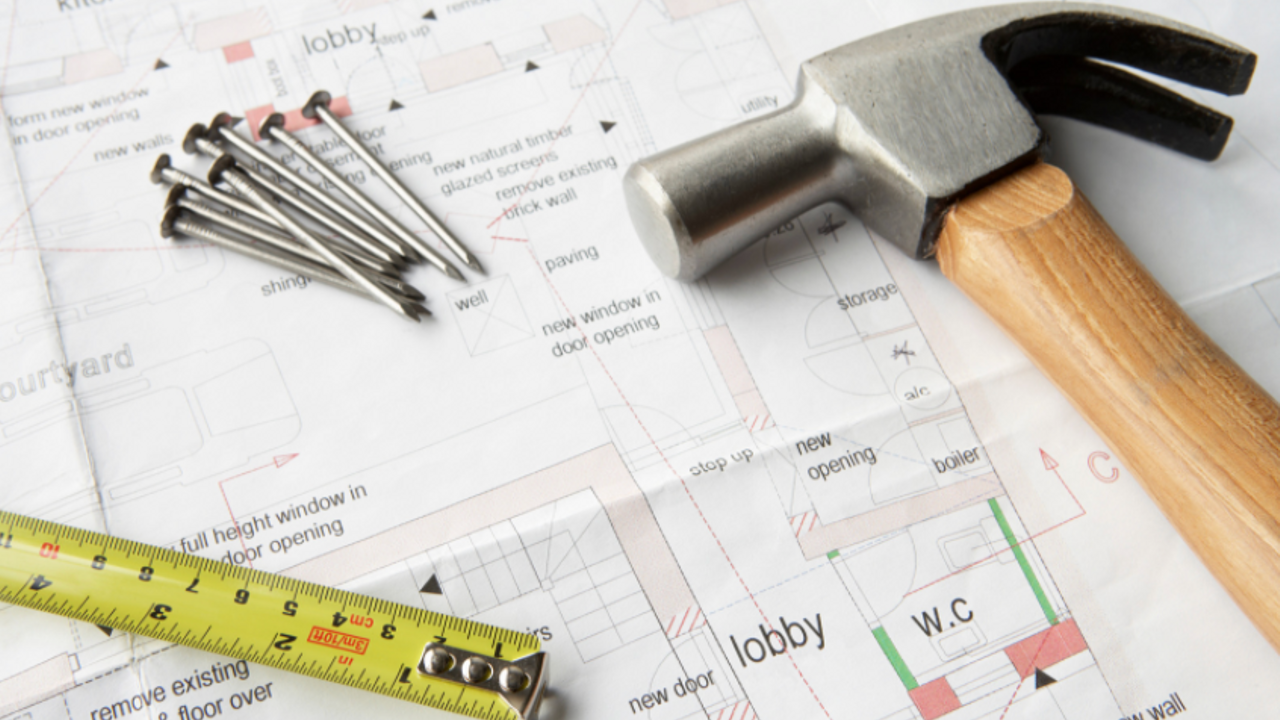
One stage in the building process that instills more fear and overwhelm for many of our clients is... selecting the right Builder for the job. A Builder can make or break the success of any building project.
The best place to start when searching for a Builder is to ask for recommendations. And when asking for recommendations don't just 'blindly' go with a friends brother who is a Builder, just because he knows him by default. You want a recommendation from someone who has gone through the building process themselves with the Builder.
When seeking recommendations also ask your Architect/Designer. They will be able to steer you in the right direction. It's a good place to start as they will have worked with many builders and would also have feedback from clients' experiences.
When you have the names of 3 reputable Builders (and you only need 3, any more than that will only confuse you when it comes to comparing quotes), it's a good idea to check their website out & have a look at ...
It's all about the planning when it comes to renovating or building!
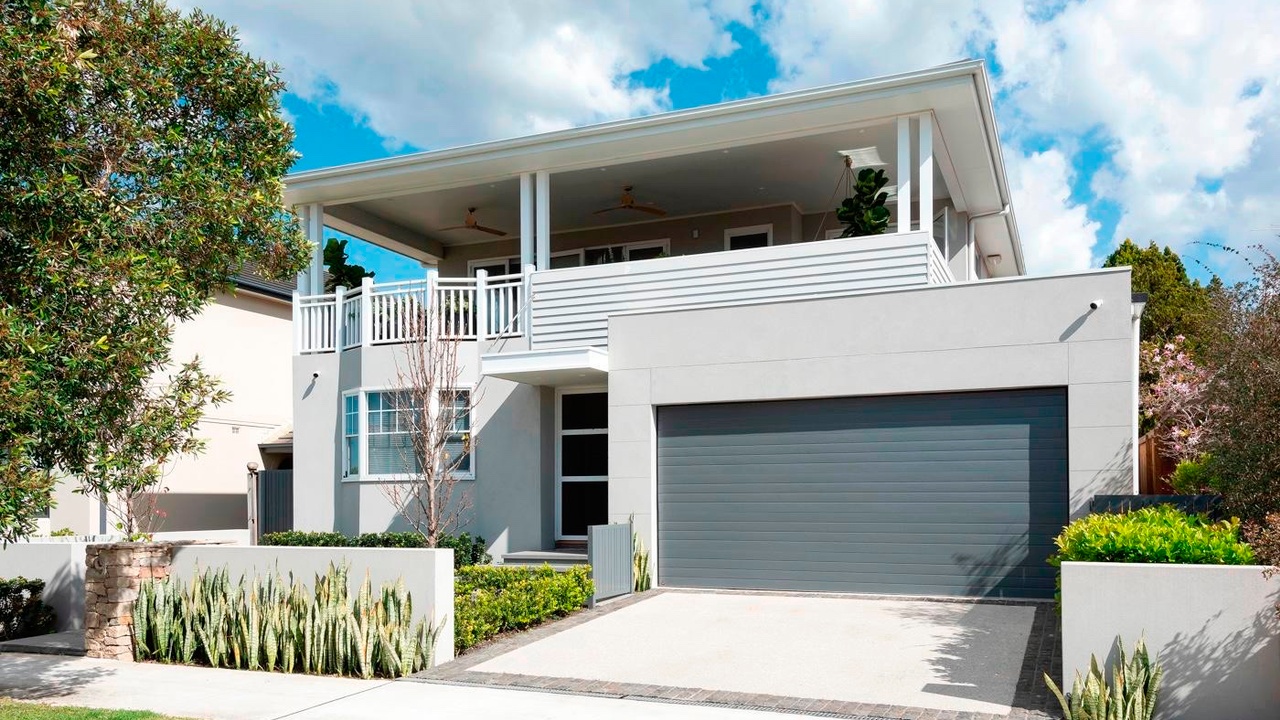
I can't tell you how many times we've heard our clients make the following ambitious statement.
'We aim on being in our new home by this Christmas'...When we're already 5 months into that same year!
As Interior Architects and Building Designers, our reply to their statement (without hesitation) is ..."Definitely not this Christmas! If you want all to go well, then you'll have a much better chance if you aim for next Christmas".
No matter what your aim or deadline is for settling into your new home, you'll need to start the planning process at least 12 months prior to your deadline.

Twelve months may sound like a long time, however it will fly by once you start the process. Many first-time home builders or renovators don’t realise what is exactly involved & just how much time goes into the preparation & planning of a new build or major renovation of a home.
Unfortunately, things don't just fall into place by themselves. There are a series of stages leading up to & including ...
Induction OR gas cooking? Let's compare the 2
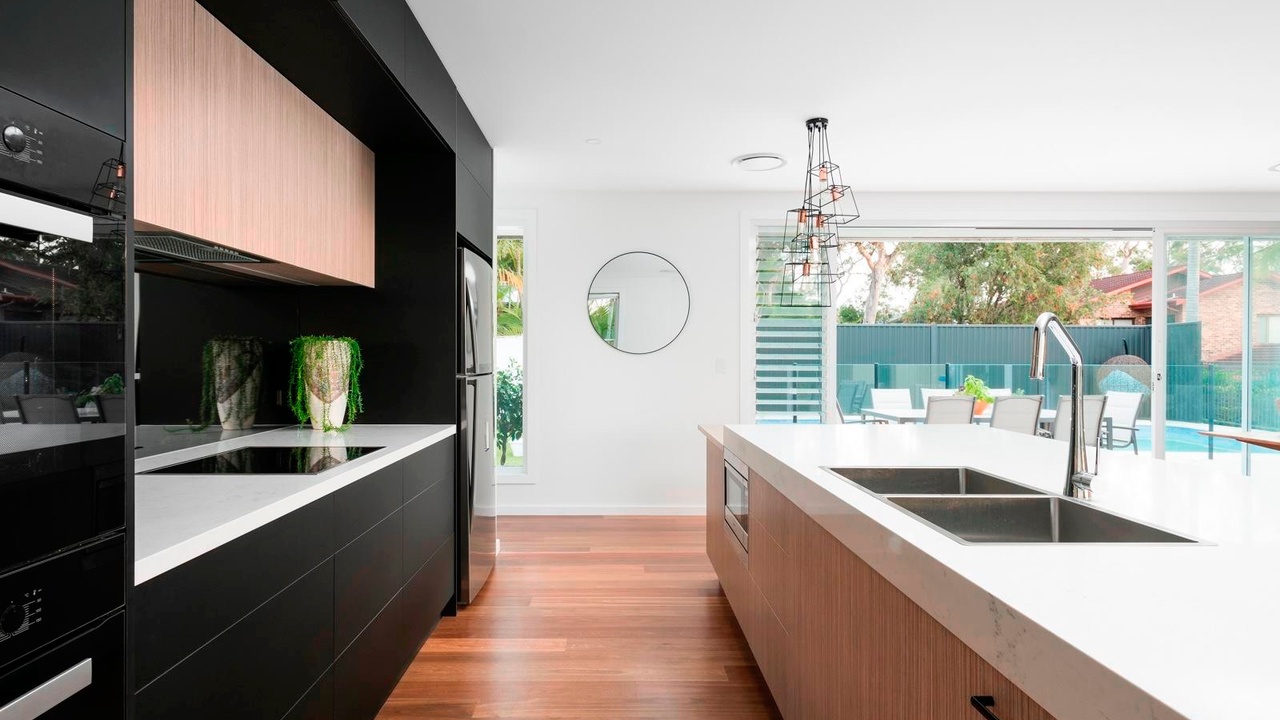
The decision of whether to go with gas or electricity is not cut-and-dried with the lure of high-tech induction cooking.
Whether cooking for pleasure, pure necessity or a combination of both, you need to have a good working relationship with your cooktop in order to get the job done efficiently. In days of old, slow-reacting electric coil or hotplate stoves were the only real alternatives to gas, but vastly superior induction stovetops have changed all that – and choosing the best option to suit your needs is no longer a simple decision. Let’s take a closer look at these two options to help you avoid making the wrong choice.
mcrae + lynch design - Cronulla duplex

INDUCTION
Induction cooktops allow a very precise control of heat from very low temperatures to very high temperatures. A magnetic field makes your cookware the heating element, as opposed to the cooktop itself, enabling a much quicker conduction, control and more even spread of heat; but you must only use specific pots ...
5 Steps to a well planned new Kitchen

It can be overwhelming tackling renovations, and there are certain areas of the home that need extra skill and detailed thinking to get right. Thanks to its title as the hub of most homes, the kitchen is one such room that needs plenty of forethought and planning. But what if you could think like an interior designer before your next kitchen renovation, to ensure you haven’t missed anything important? As experienced designers we’re here to let you in on some of the key steps and processes that we take when designing a new kitchen for our clients, to ensure years of easy and enjoyable use ahead.
STEP 1: Think about the existing space
What works and what doesn’t?
Assess the existing layout, taking note of what works and what doesn’t. Think about what you would like to change. If the renovation budget extends to structural changes, look at the space with fresh eyes, ignoring the current layout and any existing windows and doors, plumbing and electrical positions. Movement of walls and pl...
